
Part 5. The Biological Frontier
From 'The Long Horizon: A Vision of Frontier Technology from 2026 to 2400' - an AI-authored book produced on Comuvia's BookWriter system. Each chapter below is shown as its Business Editorial poster with a one-paragraph synopsis.
Chapter 72. Programmable Life and the Discovery Economy
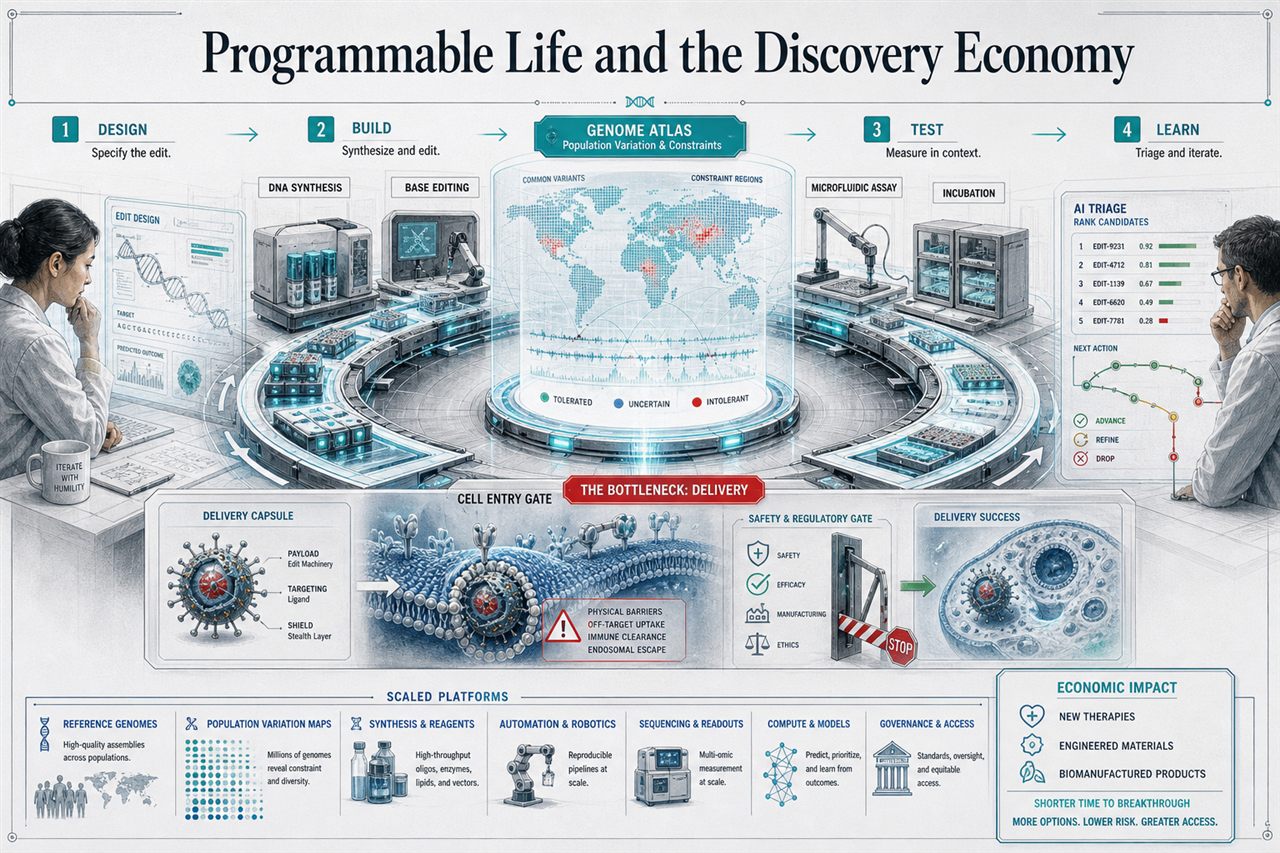
Programmable life industrializes biology by running repeatable design–build–test–learn loops over DNA, RNA, proteins, and cells, with the frontier defined by shrinking cycle time despite measurement noise, delivery limits, and safety governance. Since the 2001 human genome reference and 2020 large-cohort constraint maps, discovery increasingly starts from standardized datasets and computational triage (e.g., SwissADME, 2017), but still depends on wet-lab validation. Base editing (2016) broadened feasible edits, yet phenotype predictability remains context-dependent, reinforced by microbiome complexity. Delivery is the persistent bottleneck, while platform modalities like mRNA (2018) and adenoviral vectors (2020) show fast productization in bounded regimes.
Chapter 73. Foundation Models for Molecules, Proteins, and Genomes
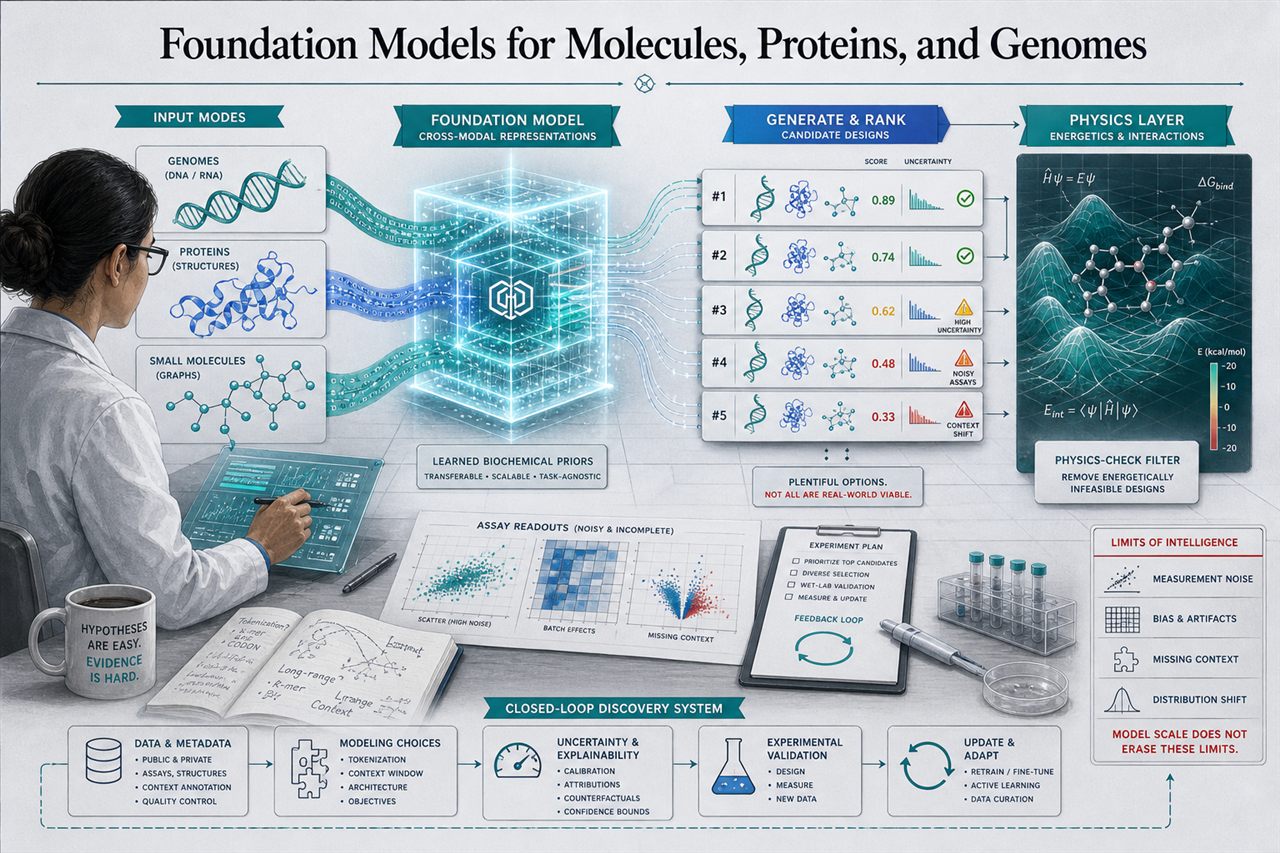
Foundation models for molecules, proteins, and genomes learn reusable biochemical patterns from sequences, structures, assays, and interaction data to generate and rank candidates despite biological noise and limited experiments. Progress depends less on raw scaling than on domain constraints like tokenization, long-range genomic context, conformational ensembles, and assay variability. Practical use requires strong uncertainty estimation, interpretability, and tight validation loops because plausible outputs can fail under dataset shift or missing context. Data and evaluation are anchored by mature genomics and bioinformatics infrastructure and statistics, while physics-based chemistry (e.g., density functional methods) remains a complementary check, unevenly integrated.
Chapter 74. Gene Engineering - From CRISPR to Whole-Genome Design
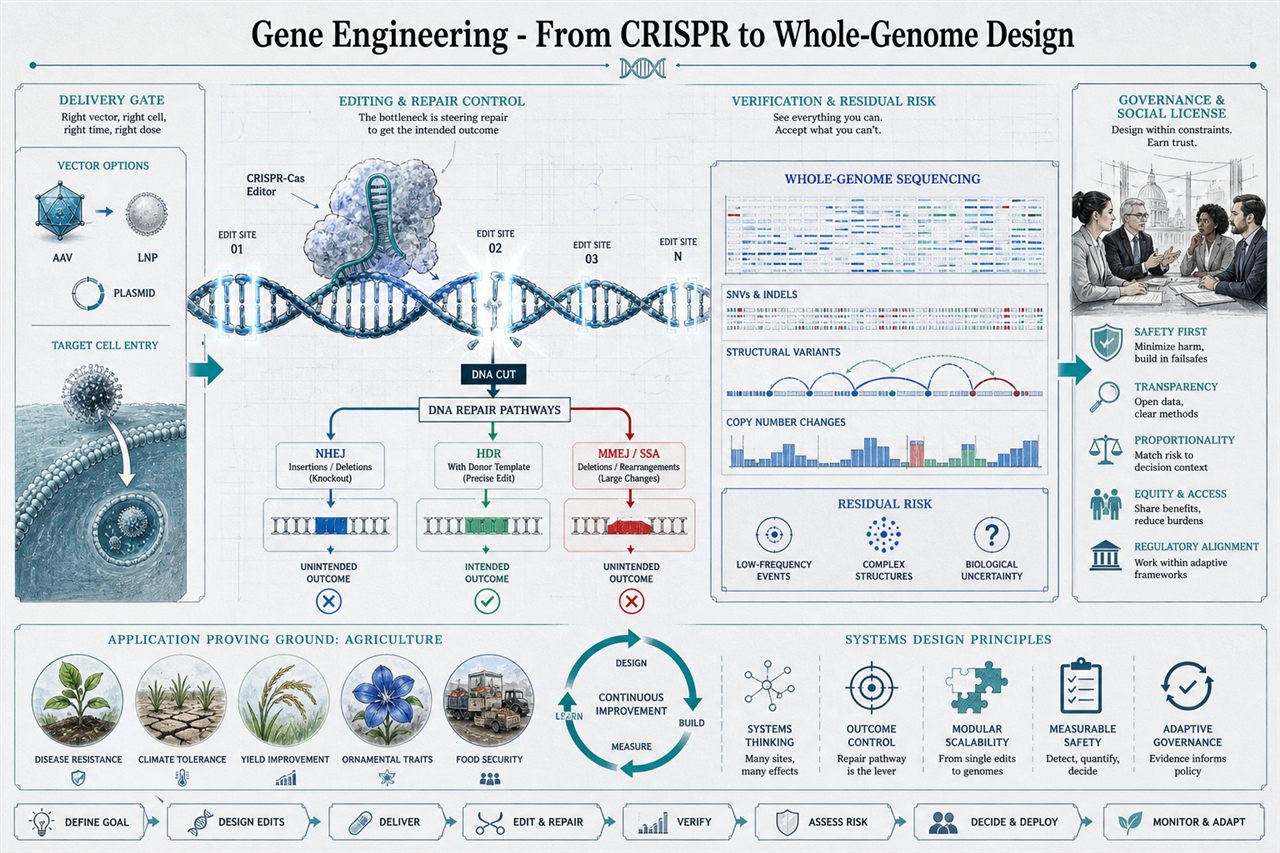
Gene engineering is shifting from simple targeting to reliably specifying and verifying intended genotype changes under tight constraints: delivery, DNA-repair outcomes, validation, safety, and governance. CRISPR/Cas is widely deployed in research and agriculture, but real performance is dominated by post-cut biology—repair pathway choice and local sequence context—so guide design alone is insufficient. Whole-genome sequencing is becoming part of the off-target validation stack, as shown in 2021 analysis of edited rice, though low-frequency and structural risks remain. Practical advantage comes from investing in repair-biasing, delivery, and genome-wide measurement capacity, while treating “whole-genome design” as longer-horizon.
Chapter 75. Synthetic Cells, Designer Organisms, and Engineered Lineages
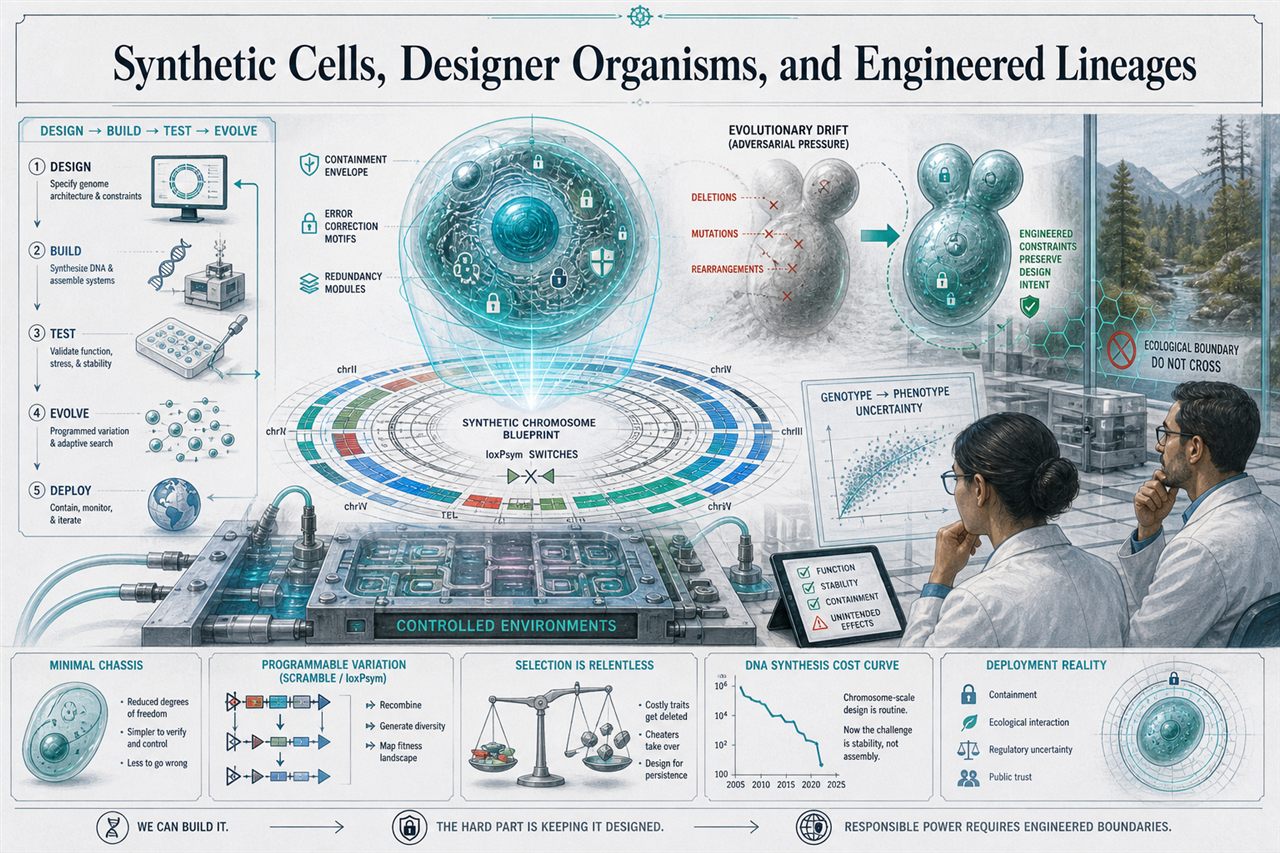
Designed biology aims to build cells, genomes, multicellular programs, and even heritable lineages whose functions stay controllable despite replication, selection, and environmental change. A major proof point arrived in January 2025 when the Sc2.0 consortium completed synXVI, finishing a 16‑chromosome ~12 Mb synthetic yeast genome, showing whole-genome design, synthesis, and debugging can work in a eukaryote. Practice is shifting from isolated constructs to a continuous design space spanning minimal bacterial genomes to synthetic eukaryotes, enabled by falling DNA-synthesis costs. Key constraints remain genotype-to-phenotype uncertainty, evolutionary drift, containment, and regulation, so dependable deployment is still strongest in bioreactors and labs.
Chapter 76. Self-Driving Laboratories and Autonomous Science
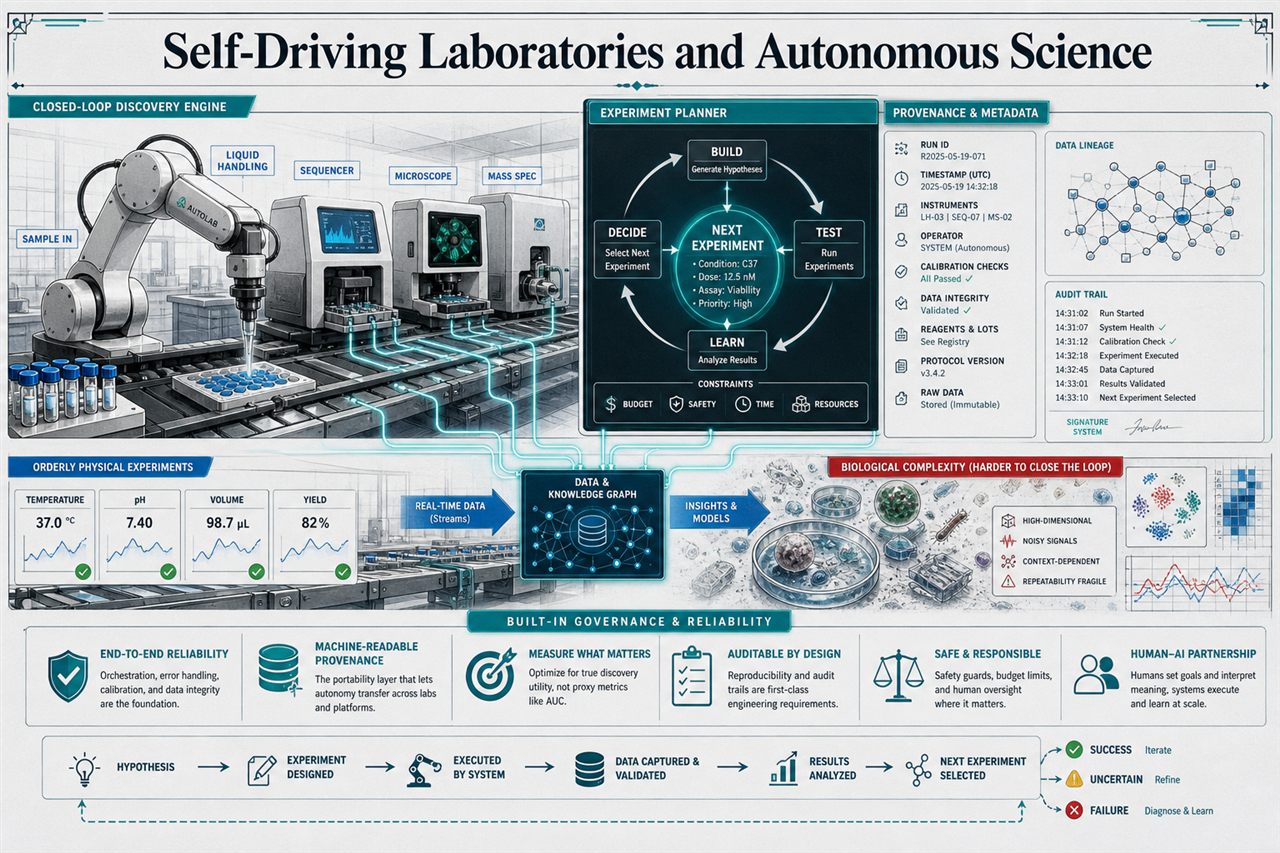
Self-driving laboratories combine robotics, machine-readable records, and algorithmic experiment selection into a closed build–test–learn loop that targets faster, more reproducible discovery under budget and safety constraints. The main bottleneck in 2026 is end-to-end reliability and governance, not any single model. The most reusable asset is a strong “autonomy substrate”: standardized, machine-actionable metadata and provenance (e.g., FAIR) that enables auditability across instruments and teams. Evaluation is still inconsistent, and proxy metrics like AUC can mislead when treated as system success measures. Biological domains remain hardest because signals are noisy, high-dimensional, and context-dependent.
Chapter 77. Therapeutics, Vaccines, and Precision Medicine at Scale
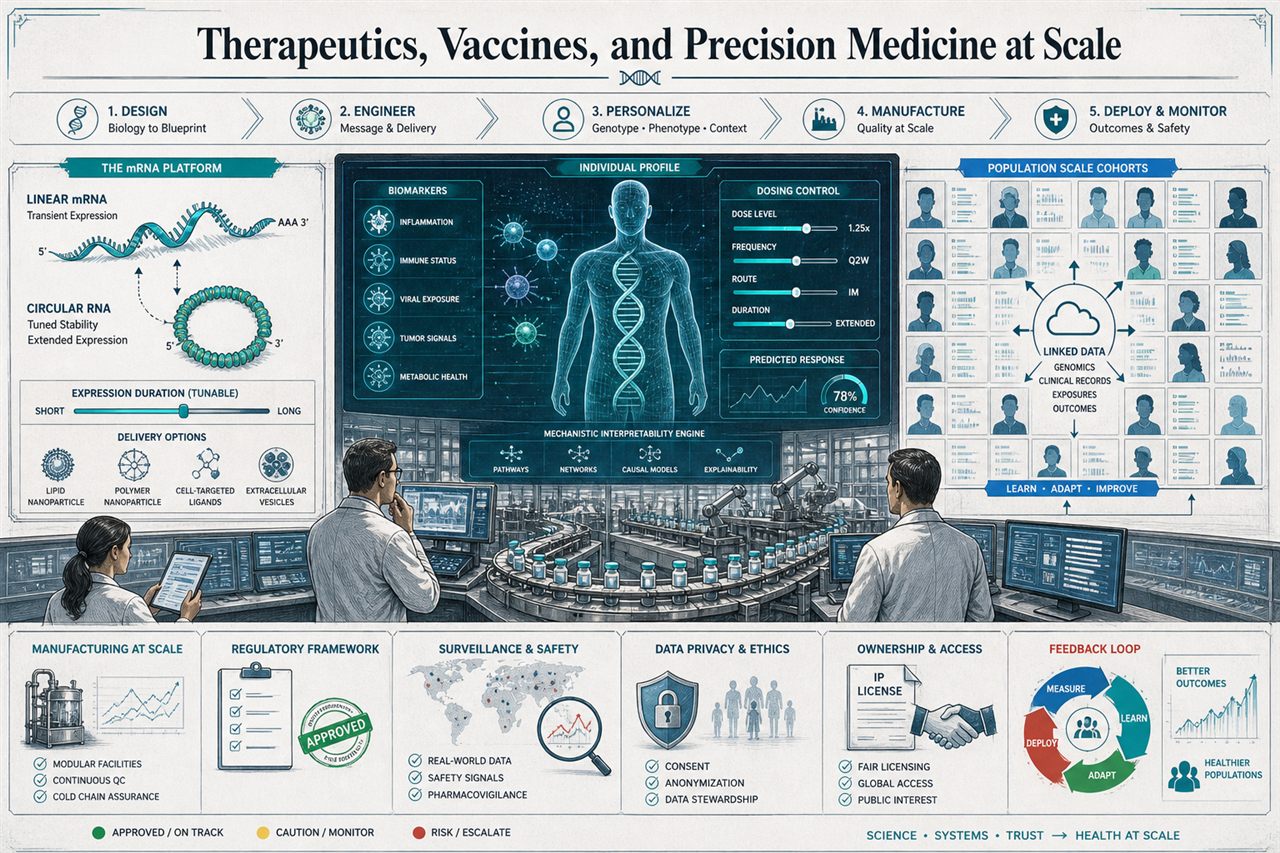
Population-scale precision medicine depends on turning biological insight into interventions that are safe, manufacturable, and regulator-ready while adapting to genotype, phenotype, exposures, and disease state. As of 2026, mRNA is a validated prophylactic platform and is expanding into oncology and other therapeutics, but progress is limited by delivery and dosing precision in heterogeneous patients. Circular RNA is being explored to tune stability and expression duration. Continued evidence synthesis on COVID-19 mRNA vaccines keeps refining mechanisms and safety, underscoring surveillance and interpretability for real-world deployment.
Chapter 78. Longevity, Regeneration, and Engineered Health
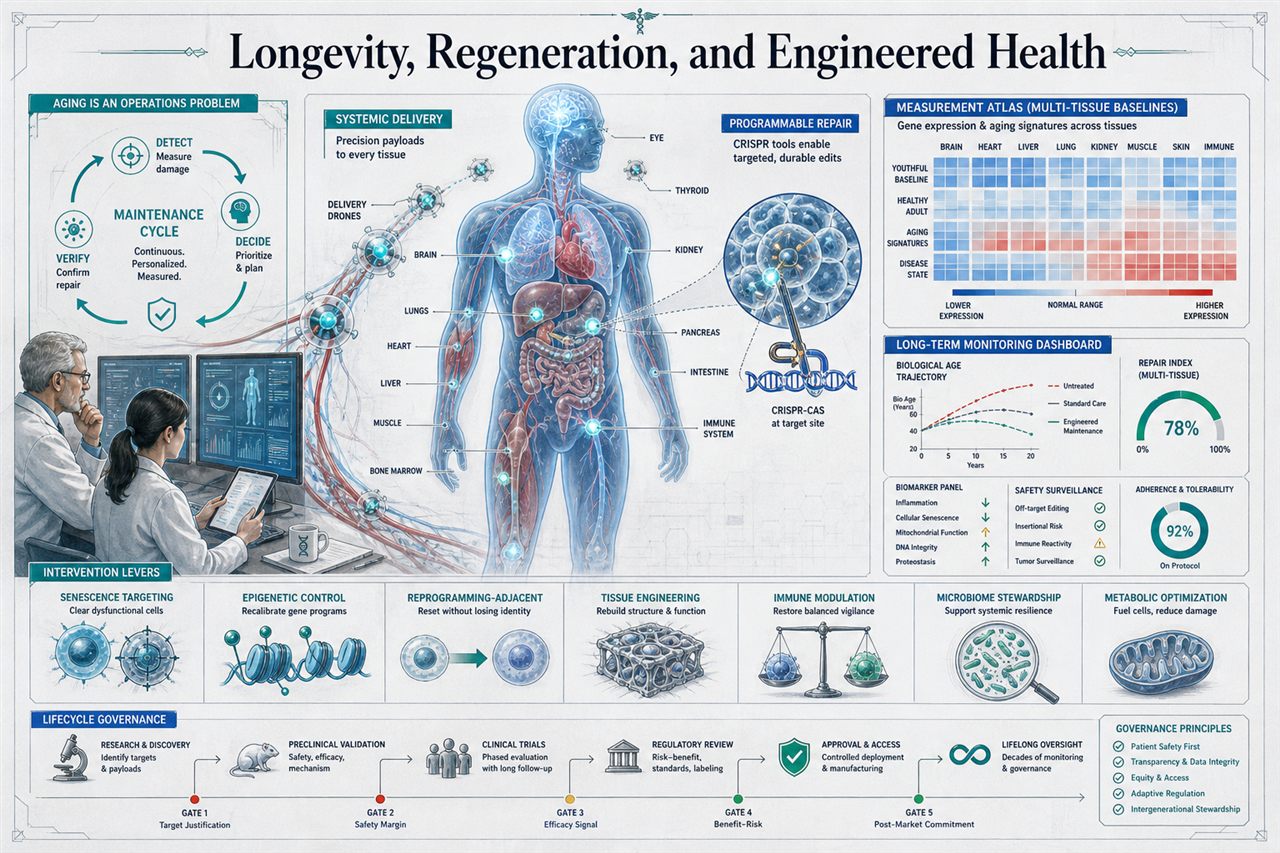
Engineering longer healthspan hinges on making tissue repair and systemic maintenance controllable, with the main bottlenecks being safe whole-body delivery, validated measures of aging and repair, and long-duration governance of powerful interventions. As of 2026, real-world impact still mostly comes from risk-factor control and disease prevention, while somatic gene therapy has reached regulated clinical use, including the first FDA-approved hemophilia gene therapy reported in 2023. CRISPR is advancing under tightening regulatory scrutiny amid complex IP. Practical priorities are scalable, tissue-selective delivery (often nanoparticles), robust tissue-expression baselines (e.g., GTEx), and selecting high-burden conditions as early healthspan ROI targets.
Chapter 79. Bio-Nano Delivery and Targeted Molecular Intervention
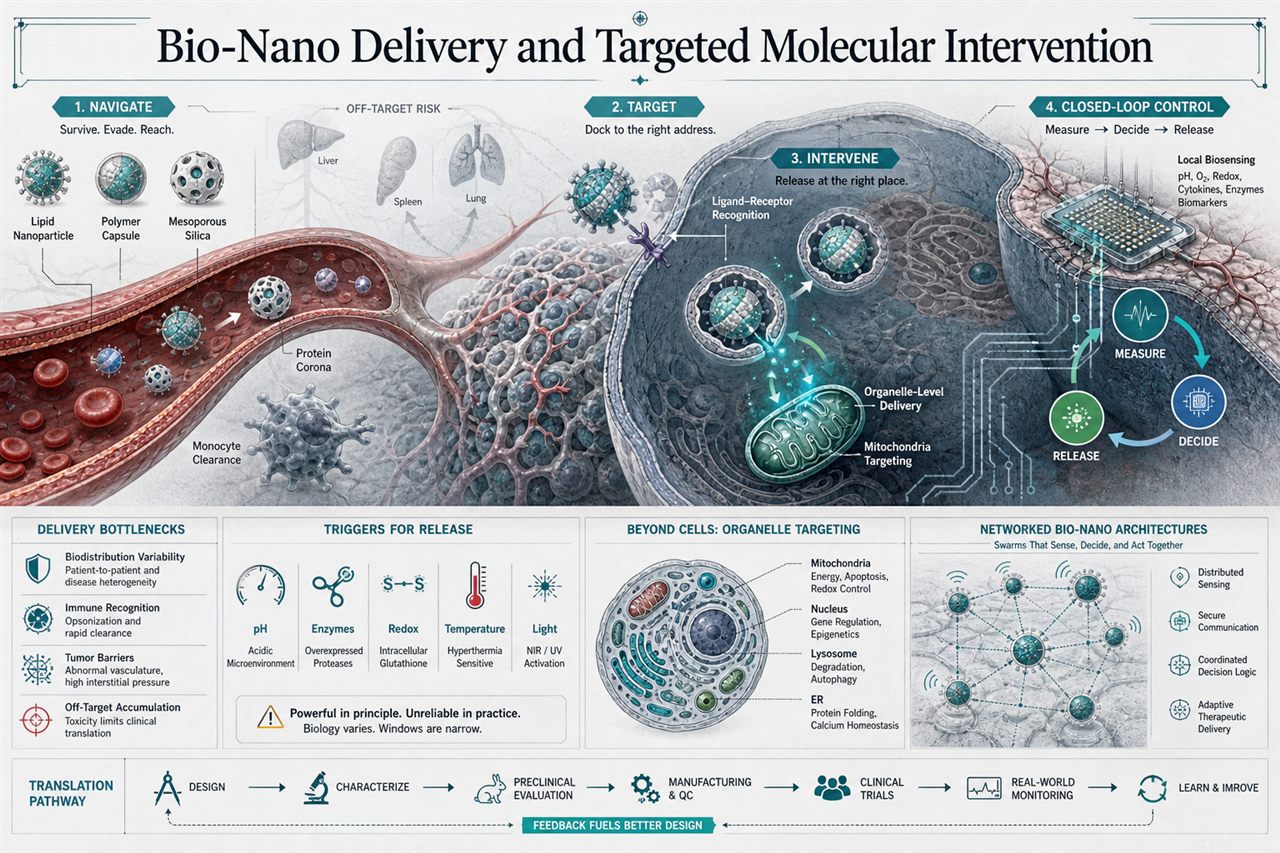
Bio-nano delivery engineers nanoscale carriers and interfaces to place therapeutic or sensing payloads at specific tissues, cells, or organelles, control release timing, and reduce off-target exposure. By 2026, carrier classes such as nanocapsules, polymer/lipid systems, and inorganic nanoparticles are well-developed, yet translation is repeatedly limited by biodistribution predictability, safety, and manufacturability. Nano-enabled biosensing strengthens closed-loop “measure–decide–release” concepts, while stimuli-responsive release (for example pH-triggered structures) works in principle but is hard to standardize across patient variability. Organelle targeting (e.g., mitochondria-directed delivery) remains promising but not clinically routine; networked “Internet of Bio-Nano Things” architectures are still mainly proposals.
Chapter 80. Cultivated Food, Biomanufacturing, and the Agricultural Transition
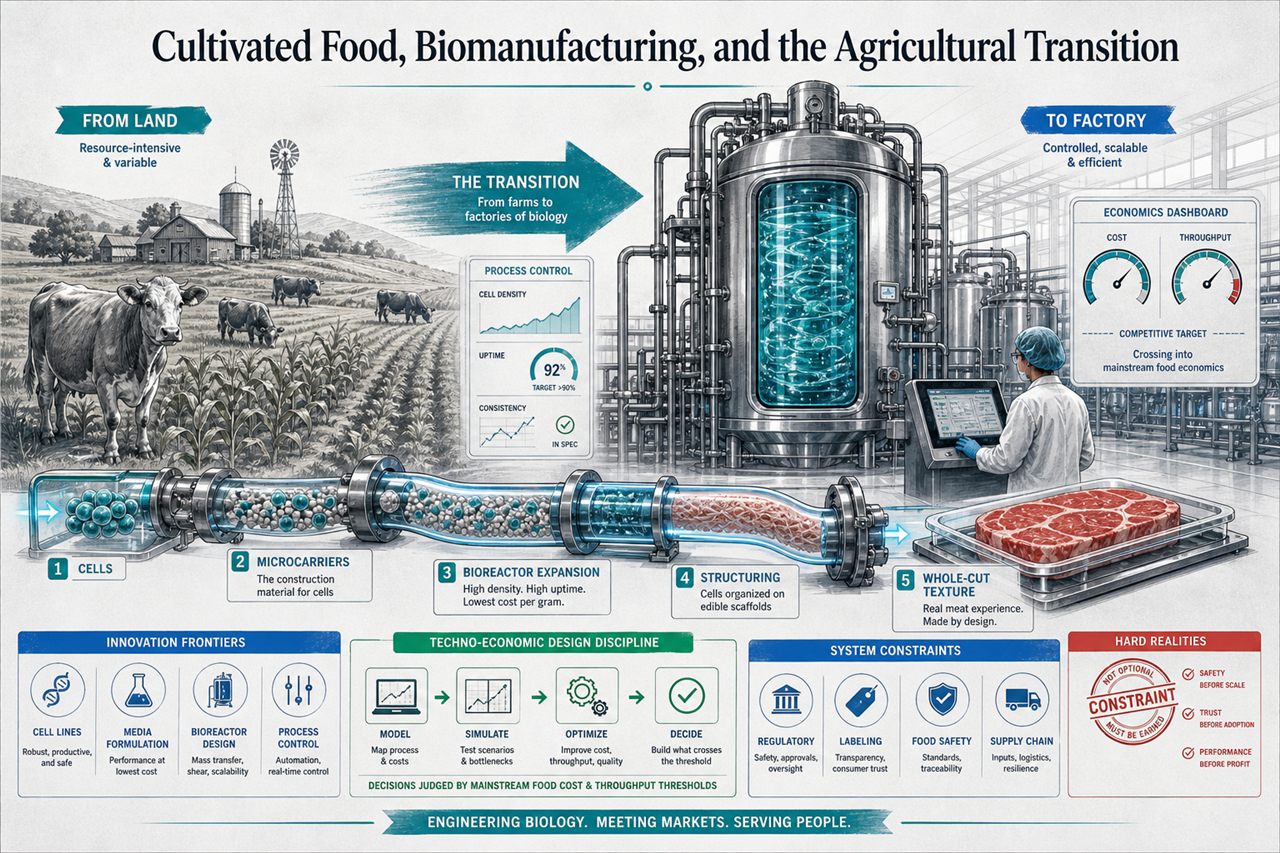
Cultivated food and adjacent biomanufacturing seek to industrialize protein and ingredient production beyond livestock and cropland, but are constrained by cost, safety, and scalable process control. By 2026, technical pathways across cell sourcing, cultivation modes, and product formats are validated, yet growth media costs, bioreactor utilization, and downstream processing limit scale. Microcarriers and scaffolds are pivotal, shifting the challenge to dense growth with food-grade, manufacturable materials and reliable texture. Patents cluster around cell lines, media, scaffolds, and bioreactor/process control, making competition largely industrial. Regulation, labeling, and system-level energy/input integration largely determine adoption and sustainability outcomes.
Chapter 81. Synthetic Ecologies and Planetary Biology
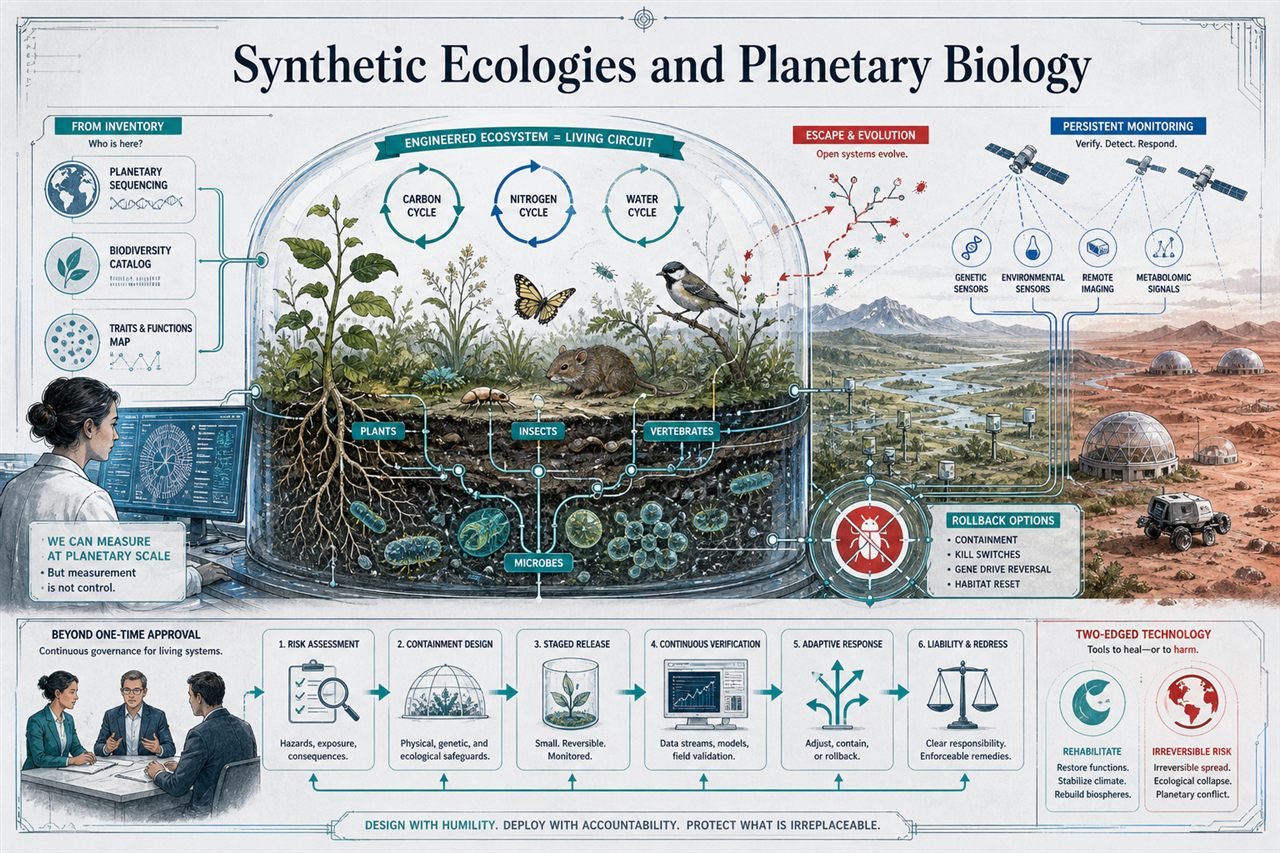
Synthetic ecologies aim to engineer multi-species systems that steer biogeochemical cycles and ecosystem function, but they strain limits of containment, evolution, and coordination. By 2026, sequencing enables large-scale organism inventories, and CRISPR plus base editing make trait-level interventions increasingly precise, yet predictive control of open ecosystems remains elusive. The main bottleneck is translating component designs—RNA regulators, engineered extracellular matrices, and other control interfaces—into stable, multi-trophic field performance. Practical strategy hinges on closing the measurement-to-control gap with robust inference and sensing, and on building verification, rollback, and liability institutions modeled on planetary-protection contamination control.
Chapter 82. Stratified Biospheres and Layered Living Systems
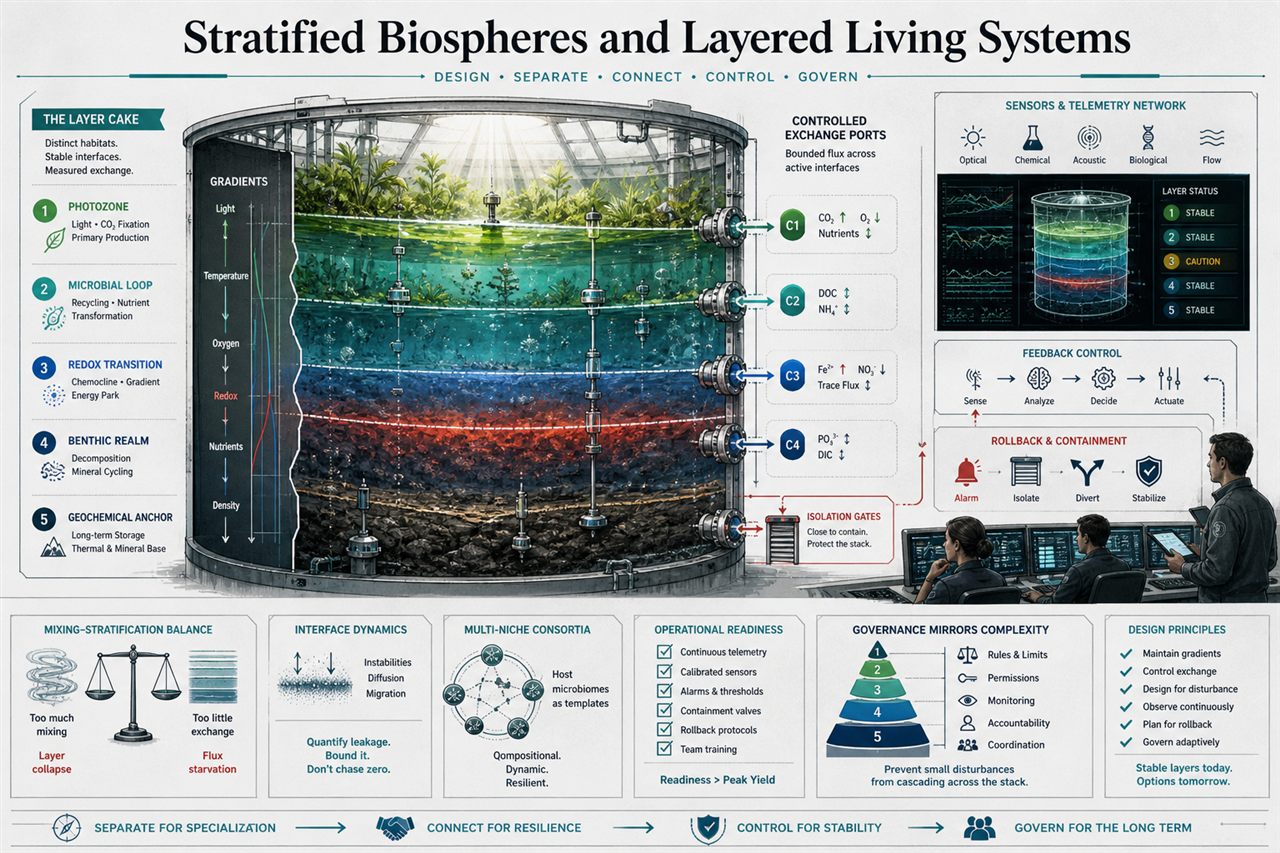
Treat biospheres as layered systems whose performance depends on maintaining stable gradients while permitting bounded, measurable exchange across interfaces. By 2026, stratification is well validated, microbiome science offers a template for modeling multi-niche consortia, and stratified fluid dynamics provides mature tools for predicting layer formation, interface instability, and mixing under buoyancy and shear. The main gap is end-to-end systems engineering: long-duration sensing, actuation, disturbance response, and governance that match ecological complexity. Practical priorities are designing for gradient persistence, instrumenting heavily, and building rollback/containment capability rather than optimizing peak yields, while knowing when stratification assumptions fail.
Chapter 83. Phase-Adaptive Biology and Morphological Flexibility
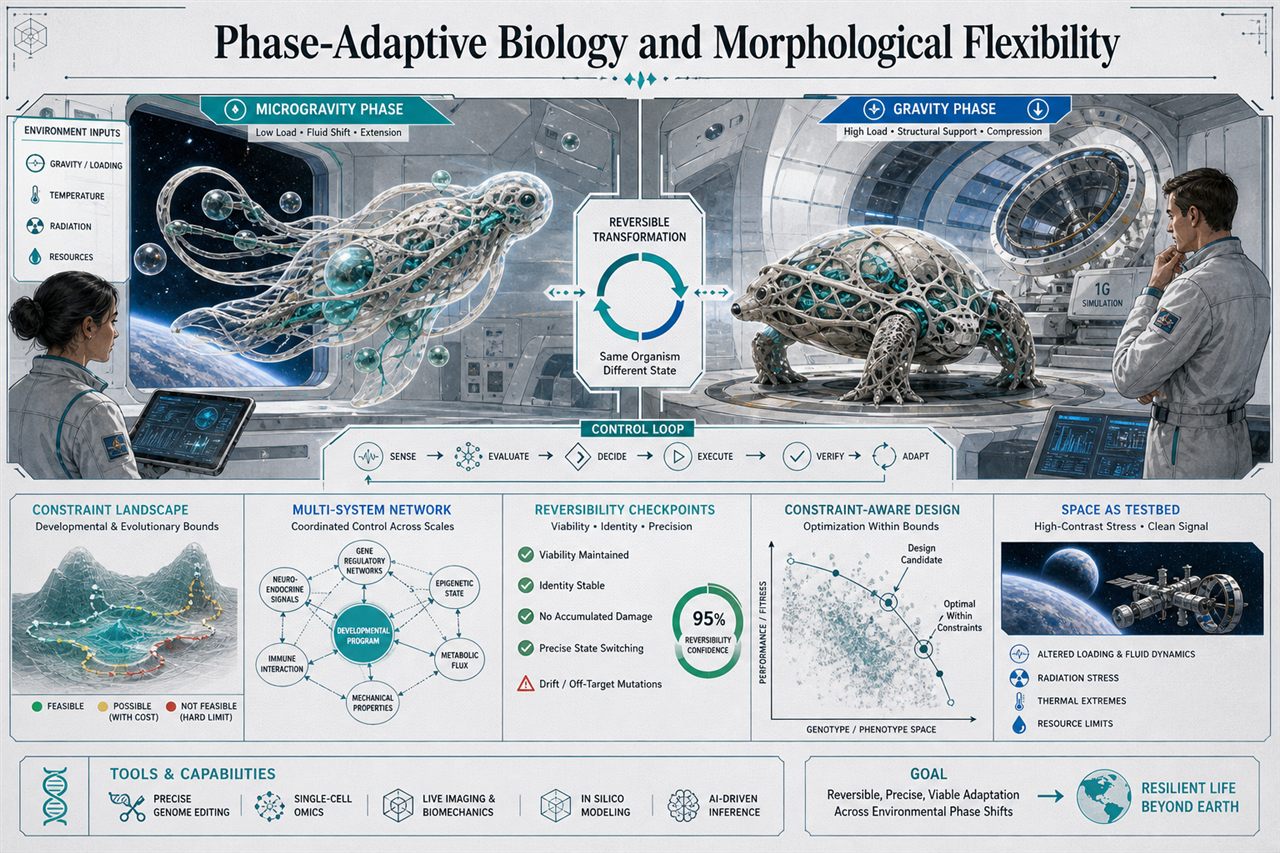
Phase-adaptive biology targets organisms and biohybrid systems that can reversibly reconfigure form, materials, or physiology when environments shift (gravity/loading, resources, temperature, radiation) while staying viable and controllable. Current reality is bounded plasticity: development imposes hard constraints, and whole-organism reversible “phase switching” is still largely a research construct. Progress comes from precise genome editing (CRISPR-Cas9, base editing), large human-variation datasets that map mutational constraint across 141,456 people to define design no-go zones, and systems-level phenotype mapping via high-dimensional clustering. Microgravity biology functions as a rigorous stress test. Practical takeaway: treat morphology control as a constrained, multi-layer control problem where delivery and reversibility definitions are central.
Chapter 84. Pressure-Adapted Life and Deep-Fluid Biology
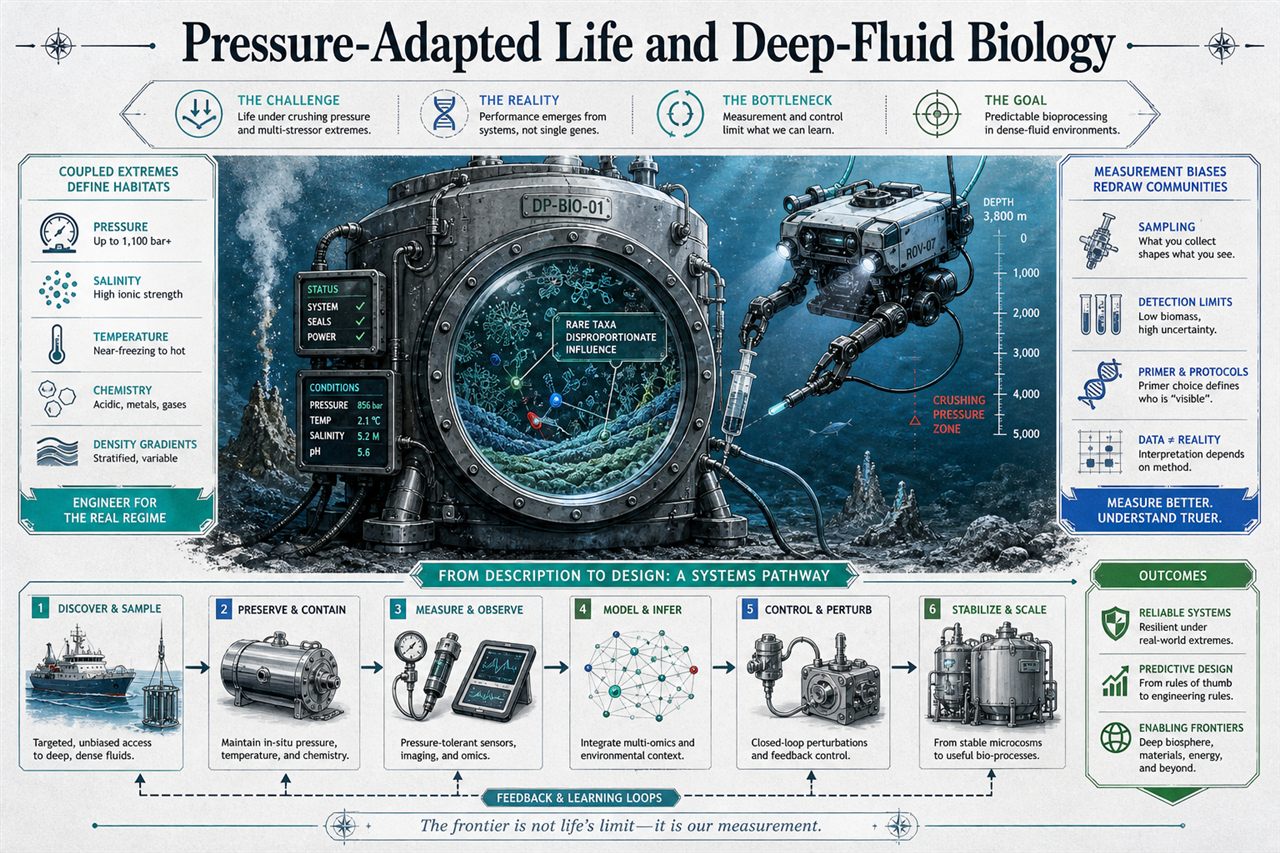
Building reliable biology for high hydrostatic pressure and dense fluids remains more an ecology-and-measurement problem than a single-gene engineering problem. Extremophile studies show communities can function under coupled chemical extremes (acid mine drainage, hypersaline systems), but they don’t yet yield general pressure design rules. Practical progress is limited by biased sampling and sequencing choices, especially in low-biomass, gradient-rich settings. Control is complicated by “holobiont” dynamics in animals and by rare, low-abundance taxa that can disproportionately shift ecosystem function. Near-term takeaways: invest in containment, long-duration sensing, and validated measurement pipelines, and design consortia with redundancy and stability monitoring.
Chapter 85. Microbiome Engineering and Symbiotic Biology
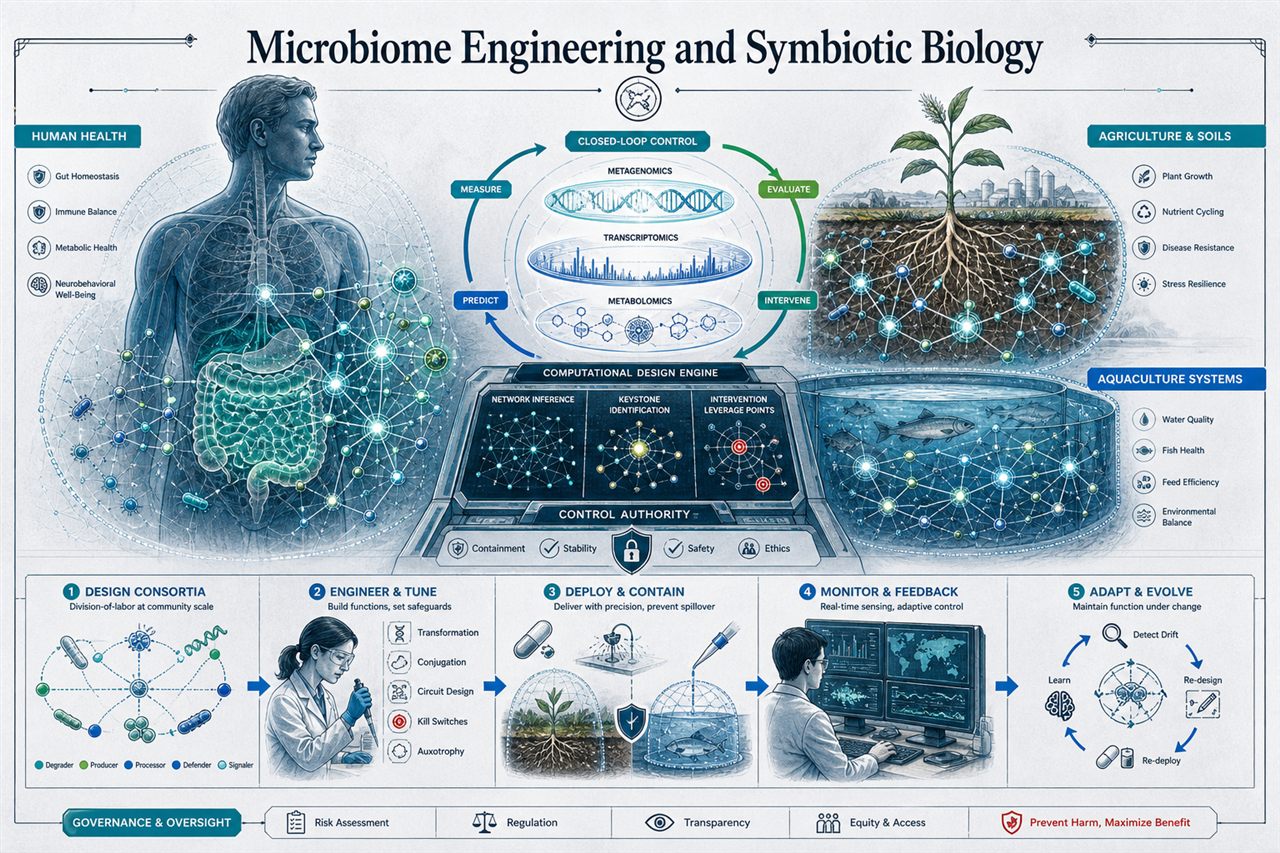
Microbiome engineering aims to design and maintain microbial consortia in hosts or environments so they deliver measurable functions that remain stable under evolution, without unacceptable fitness costs, ecological spillover, or loss of control. Since 2012, shared concepts and baselines shifted the field from profiling to intervention roadmaps for health and the bioeconomy, with computational biology now central for multi-omics integration and predictive design. Protocol-level tools for transformation and conjugation exist, but scalable multi-strain deployment is constrained by stability, safety, delivery, and governance. Translation is expanding beyond humans into livestock and aquaculture, while key open problems are evolutionary robustness and causal inference.
Chapter 86. Bioluminescent and Chemical Communication Systems
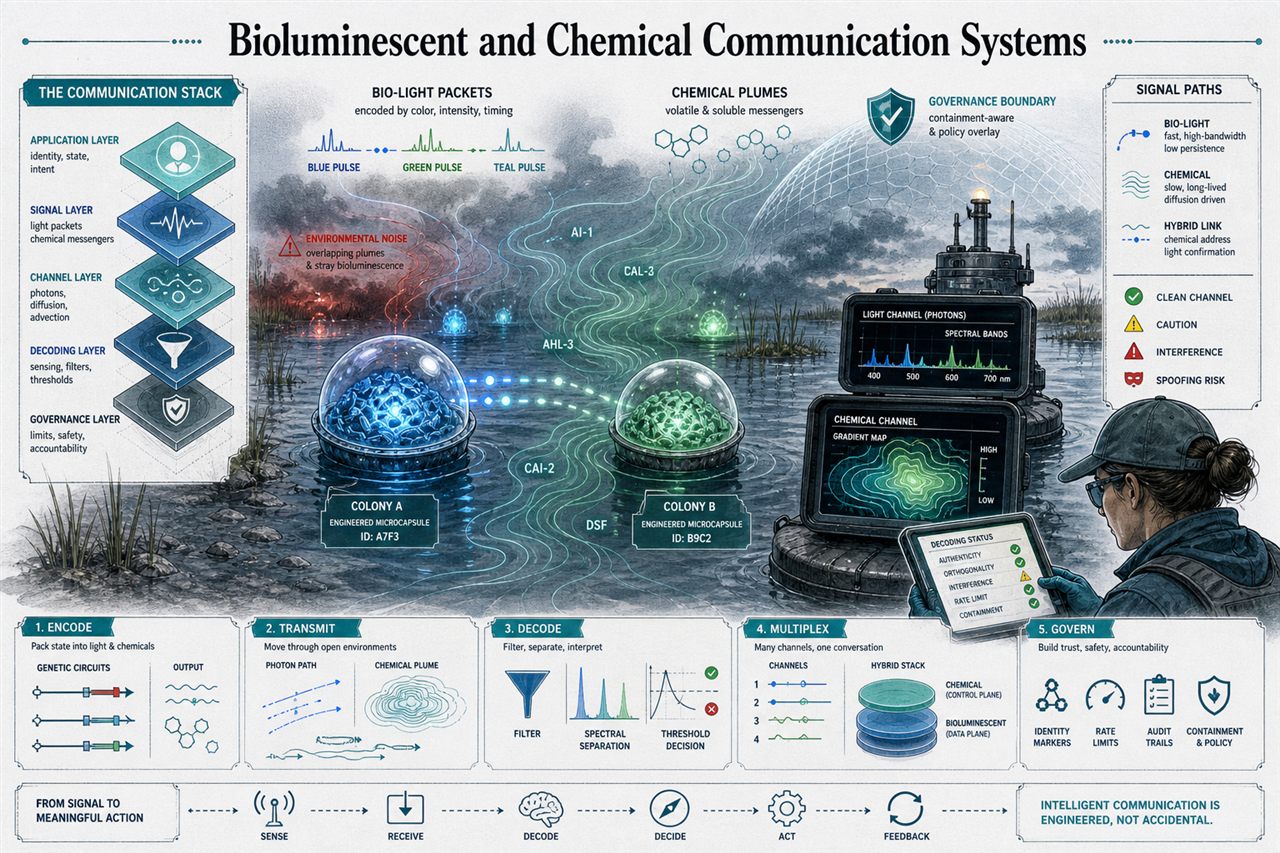
Engineered bioluminescent and chemical communication aims to transmit identity, state, or environmental information using enzyme-driven photon emission or volatile/soluble messengers, but must contend with interference, limited orthogonality, persistence, multiplexing, and governance in open environments. As of 2026, chemical signaling is well established in nature; the frontier is programmability and interference control rather than discovering new mechanisms. Bioluminescence is widely mature as measurement infrastructure (reporters, cytotoxicity, enzyme activity, sterility/bioburden), with key constraints in coupling chemistry, reagent handling, stability, and background suppression, plus regulated-use considerations. Field performance metrics for engineered chemical channels remain sparse, so operational claims require caution.
Chapter 87. Distributed Biospheric Intelligence and Planetary Biofields
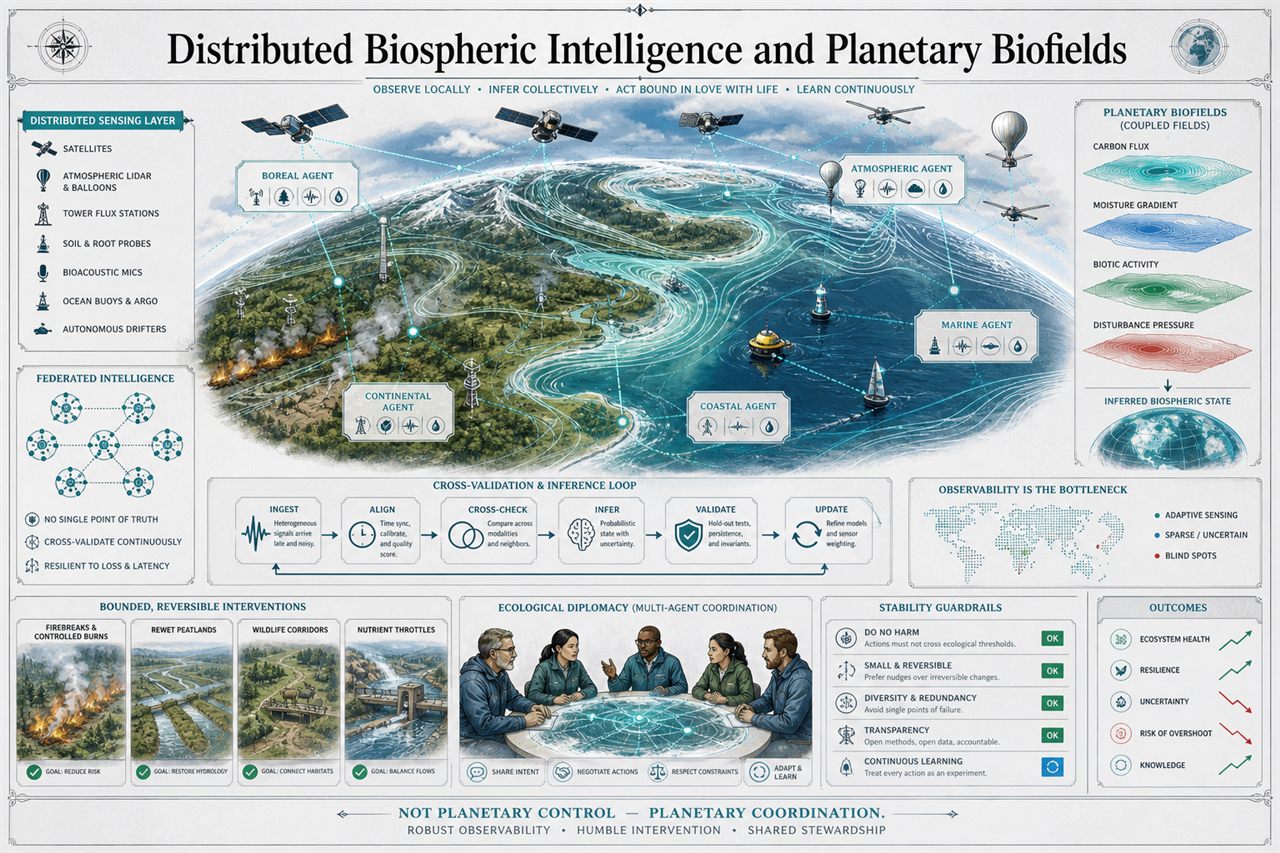
Distributed biospheric intelligence aims to federate sensing, inference, and bounded interventions across living systems so biospheric state becomes interoperably measurable, cross-validated, and governable at regional to planetary scale without destabilizing ecology. As of 2026, Earth-system modeling for coupled atmosphere–biosphere chemistry is mature, but it does not amount to planetary control; translation of distributed intelligence into ecological management remains partial. Practical emphasis falls on sensor-network optimization under sparse, delayed local information, and on governance-oriented architectures that separate prediction from authority. Key takeaways: treat “biofield” as a coupled state-and-signaling model with strict semantics; invest in interoperability standards; design for adversarial telemetry and multi-stakeholder coordination.
Chapter 88. Slow-Thinking Chemistries and Alternative Biological Cognition
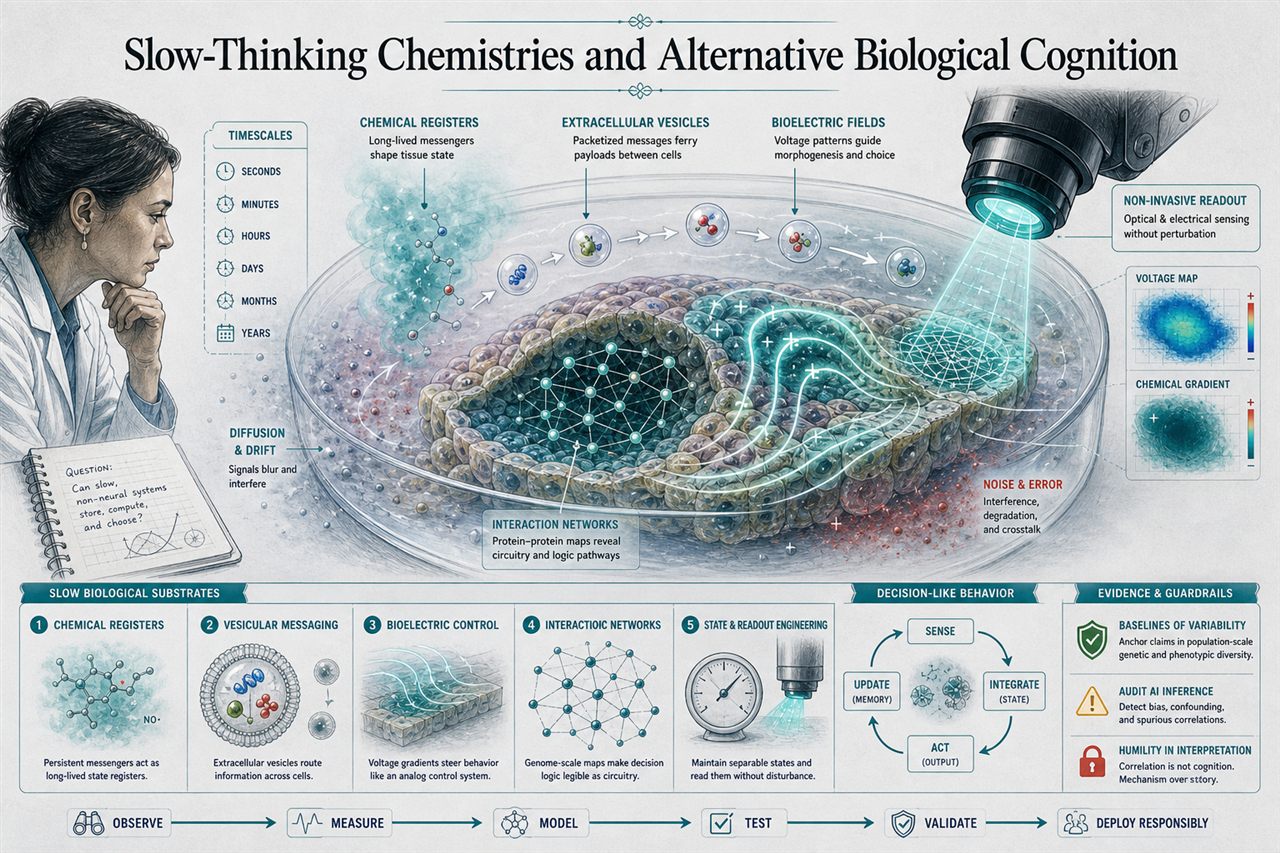
Biological cognition-like systems may be built from slow, drifting chemistries and tissue dynamics that compute and store state over minutes to years, but they are constrained by state separation, error correction, and non-destructive readout in wet media. Key enabling pillars include small-molecule signaling such as nitric oxide chemistry (reviewed in 2007), extracellular vesicle communication with stronger reproducibility via MISEV2018, and network-level priors from STRING v11 alongside population baselines like 1000 Genomes to distinguish engineered effects from natural variability. Deep learning helps label complex readouts but demands rigor against bias and spurious inference.
Chapter 89. Electrochemical Memory and Environmental Information Storage

Electrochemical memory stores information in ionic, redox, and conductive-polymer states rather than silicon, aiming for verified persistence through heat, radiation, corrosion, and long idle periods while remaining readable and addressable. The field has solid theoretical roots in electrochromic short-circuit memory (1980) and proof-of-concept devices such as electrochemically fabricated conducting-polymer nanocomposite memory (2007), but mechanisms and testing remain inconsistent across labs and there is no normalized benchmark set for retention, endurance, energy per bit, error rates, or density. Environmental substrates like sediments function as long-lived records, but disturbance and provenance complicate retrieval. Practical priorities are metrology, accelerated-aging, and manufacturable integration paths.
Chapter 90. Xeno-Biology, Off-Earth Life, and Engineered Biospheres
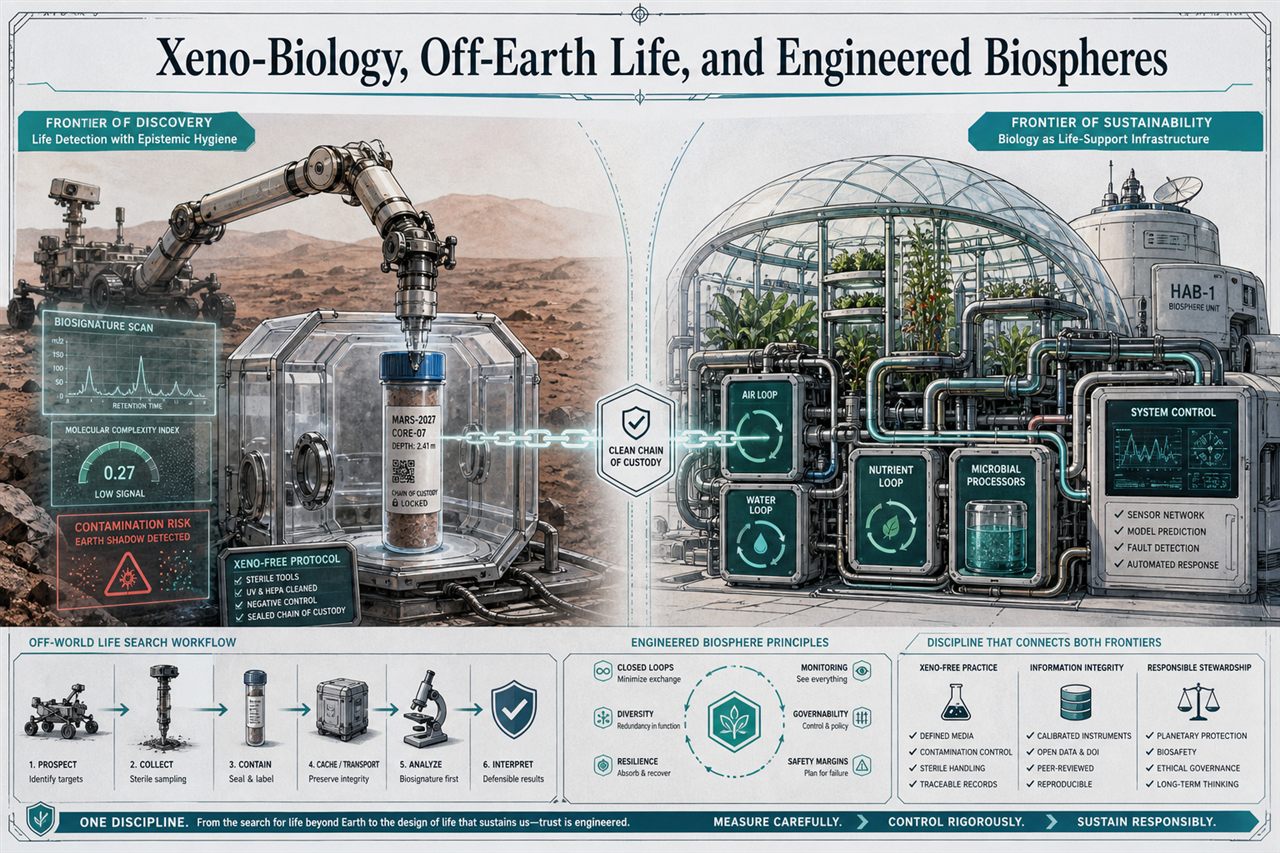
Xeno-biology and off-Earth life search hinge on proving biological function under non-Terran conditions while preventing contamination that would corrupt interpretation. As of 2026 there are zero confirmed detections, so advantage comes from rigorous biosignature reconnaissance, chain-of-custody metadata, and sample-handling discipline. Perseverance’s 2020 launch and 2022 Jezero campaign operationalize modern Mars sample caching, while Europa Clipper has a peer-reviewed mission rationale (2020) and habitability-focused measurement framing (2025). Practical near-term transfer comes from terrestrial “xeno-free” manufacturing—defined media, removal of animal inputs, and QC—plus clear terminology to avoid procedural category errors.
Chapter 91. Hybrid Bio-Synthetic Organisms and Living Machines
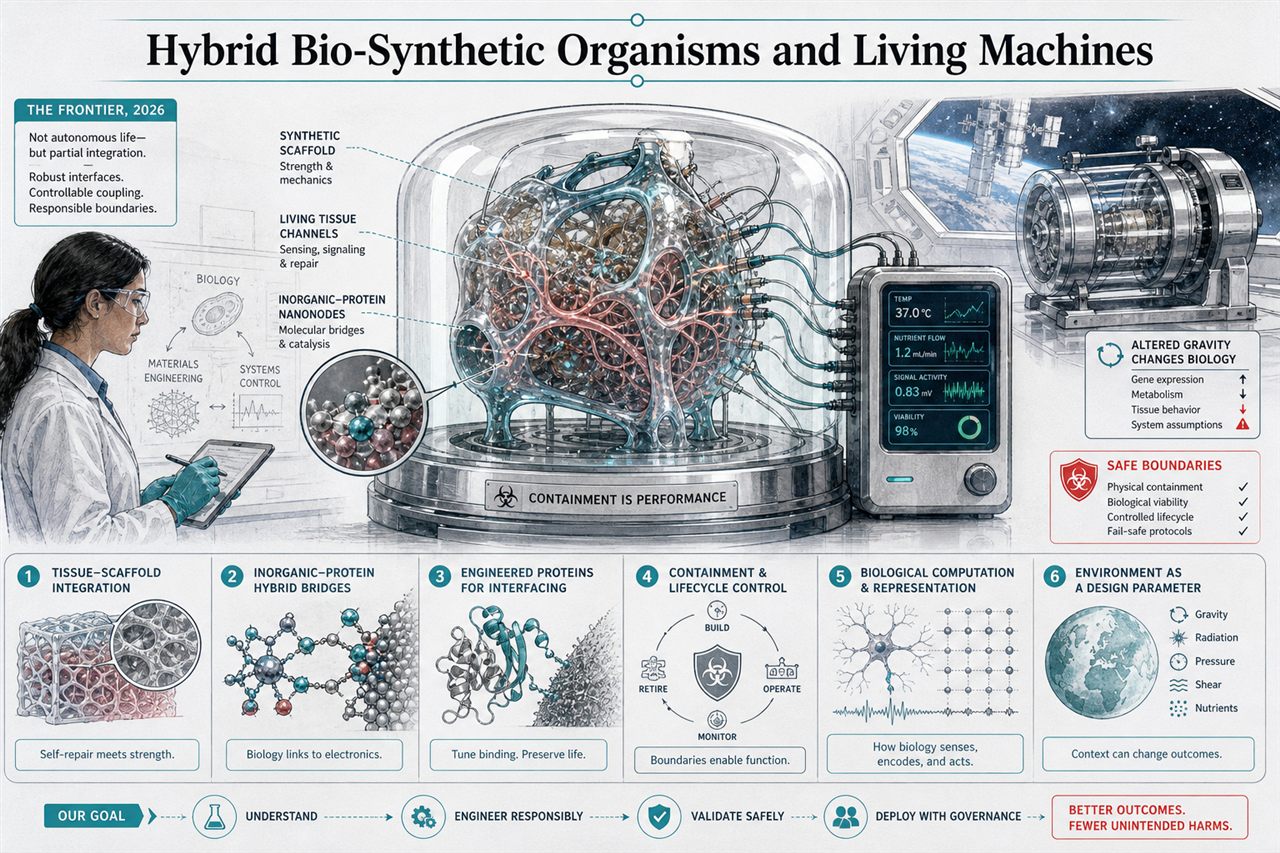
Hybrid bio-synthetic organisms combine living cells or biomolecular machinery with synthetic materials and control to sense, actuate, repair, or metabolize in ways neither can alone, while meeting viability and containment constraints. As of 2026, capabilities are limited to partial integration rather than autonomous “machine-life.” Progress rests on protein engineering, inorganic–protein hybrid bionanostructures, and tissue-mimetic hybrid macromolecules, but definitions and standards remain weak, complicating governance and verification. Environmental sensitivity is central: microgravity measurably alters biology, reshaping design assumptions for extreme settings. A confirmed 2024 European Commission consortium record signals a programmatic push toward translation. Practical priorities are auditability, interface stability, test protocols, and interoperable modules.
Chapter 92. Biological Adaptation Across Habitats and Worlds
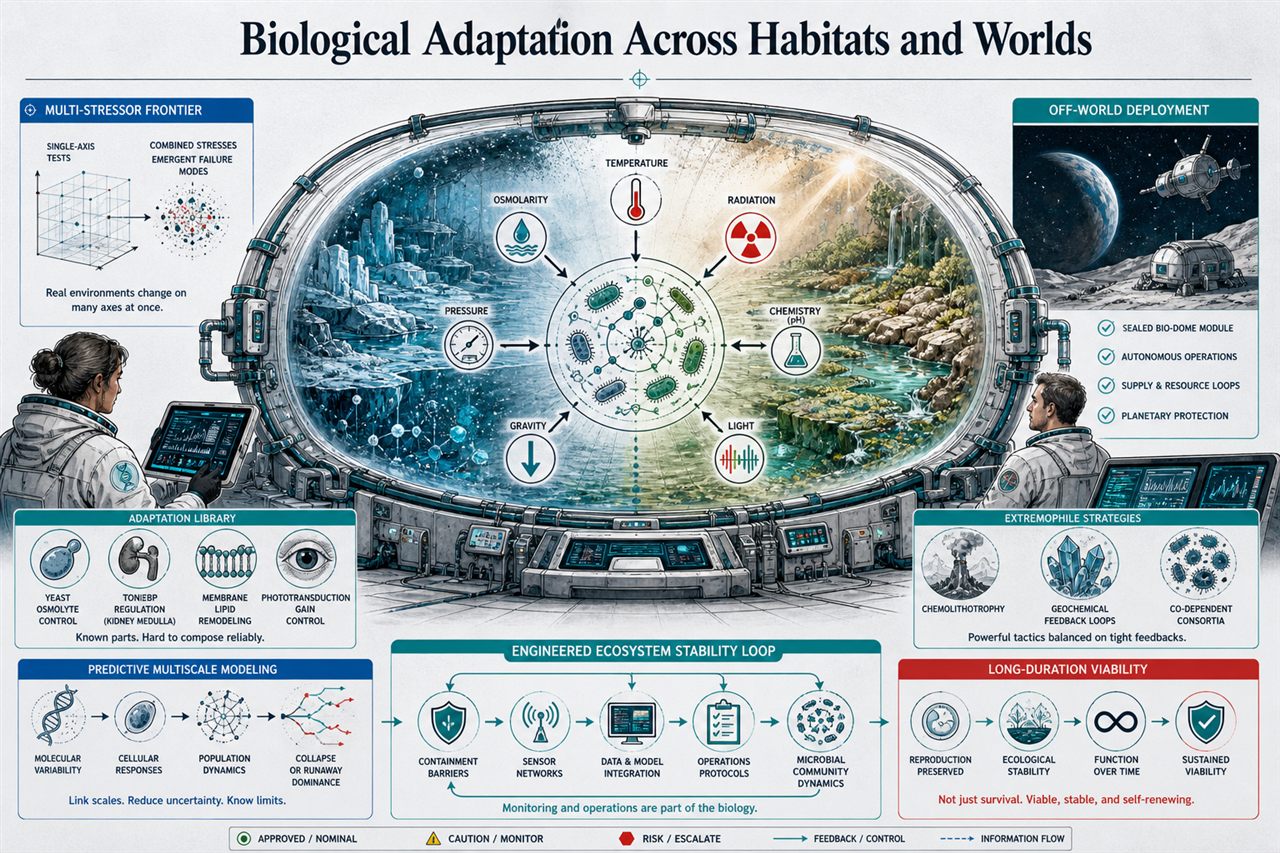
Biological adaptation across habitats and worlds means keeping cells, organisms, and engineered consortia functional as temperature, water activity, radiation damage, chemistry, pressure, light, and gravity shift, while preserving reproduction and ecological stability. Individual stress-response mechanisms are well understood in canonical models (yeast osmolytes, TonEBP in kidney medulla, membrane lipid remodeling, phototransduction gain control), but composing multi-stressor performance across scales remains hard to design, validate, and predict. Extremophile strategies offer templates, yet deployment is constrained by systems integration: containment, monitoring, operations, and microbial-ecology stability in sealed or off-world habitats.
Chapter 93. Reproductive Technologies and Engineered Lineages
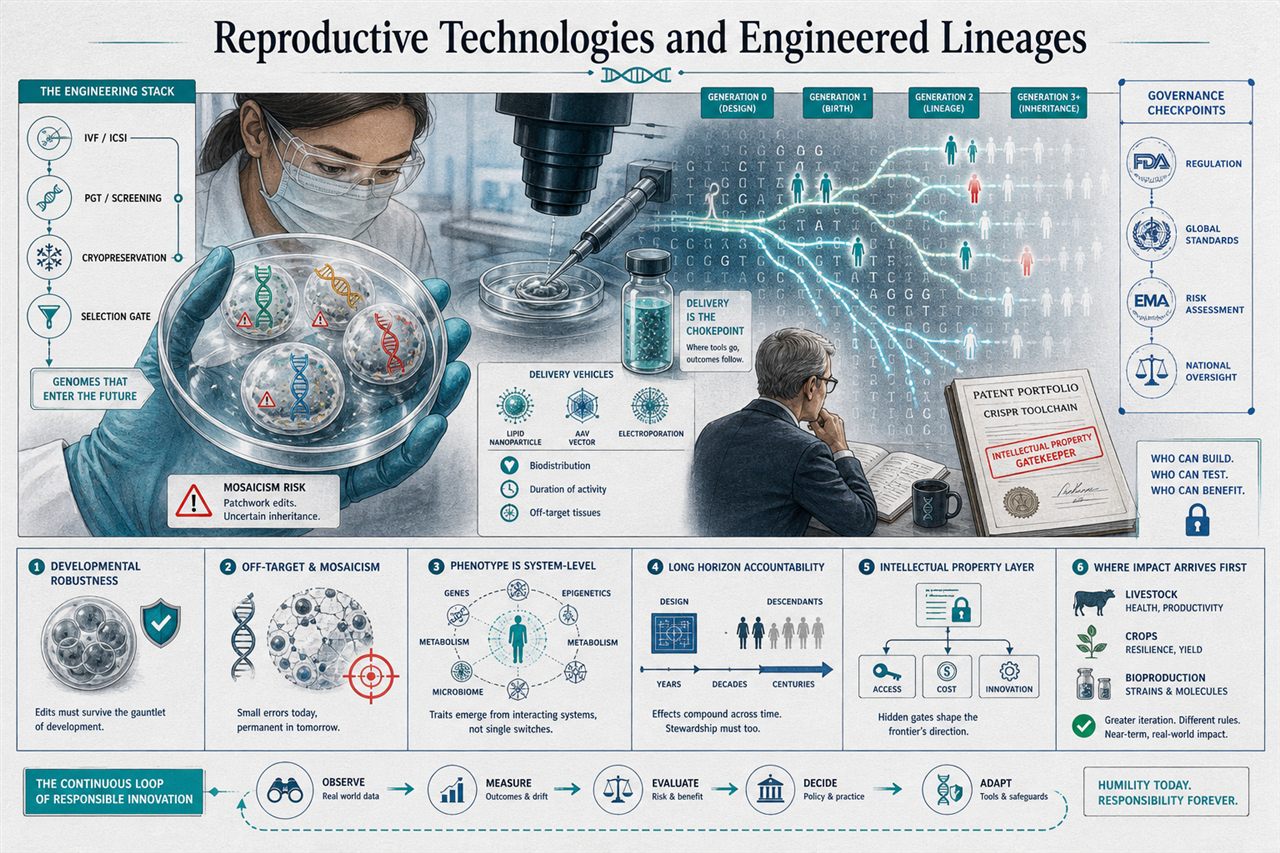
Engineering reproduction aims to select or edit heritable traits via embryos, gametes, or reproductive barriers, but remains constrained by developmental robustness, mosaic/off-target effects, and the need for multigenerational governance. As of 2026, IVF, ICSI, cryopreservation, donor gametes, and PGT are widely used, while germline editing is not a clinical standard. Strategy hinges on three bottlenecks: contested CRISPR IP shaping who can commercialize toolchains; delivery and biodistribution, with nanoparticles a key frontier; and system-level phenotype dependence, including microbiome coupling, which complicates prediction and accountability. Near-term impact is expected mainly outside human germlines.
Chapter 94. Death, Decay, and Biological Life Cycles in Engineered Contexts
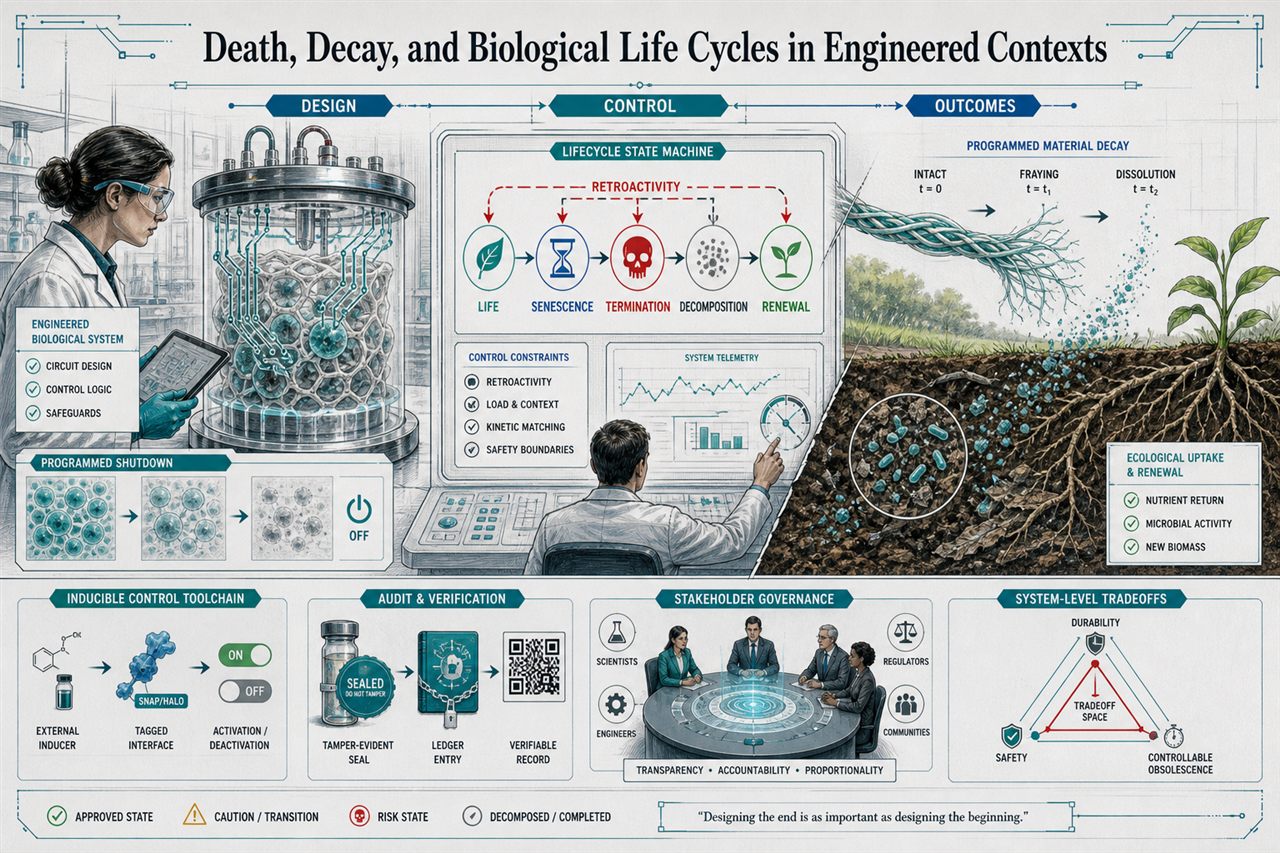
Engineering end-of-life becomes a design variable: make death, decay, and renewal programmable, verifiable, and bound to governance across cells, tissues, products, and ecosystems. As of 2026, circuit-level control is routine, but retroactivity means downstream biological “load” can destabilize timing and termination logic, so lifecycle control must be co-designed with the system it regulates. Tag-based inducible tools (SNAP-tag/HaloTag fusions) enable controllable activation and deactivation in mammalian cells, while biodegradable polymer fibers show mature nonliving degradation pathways. Biggest gap is coupling biological shutdown to auditable disposal, especially in synthetic ecosystems where interaction structure drives stability.
Chapter 95. Biology at Civilizational Scale
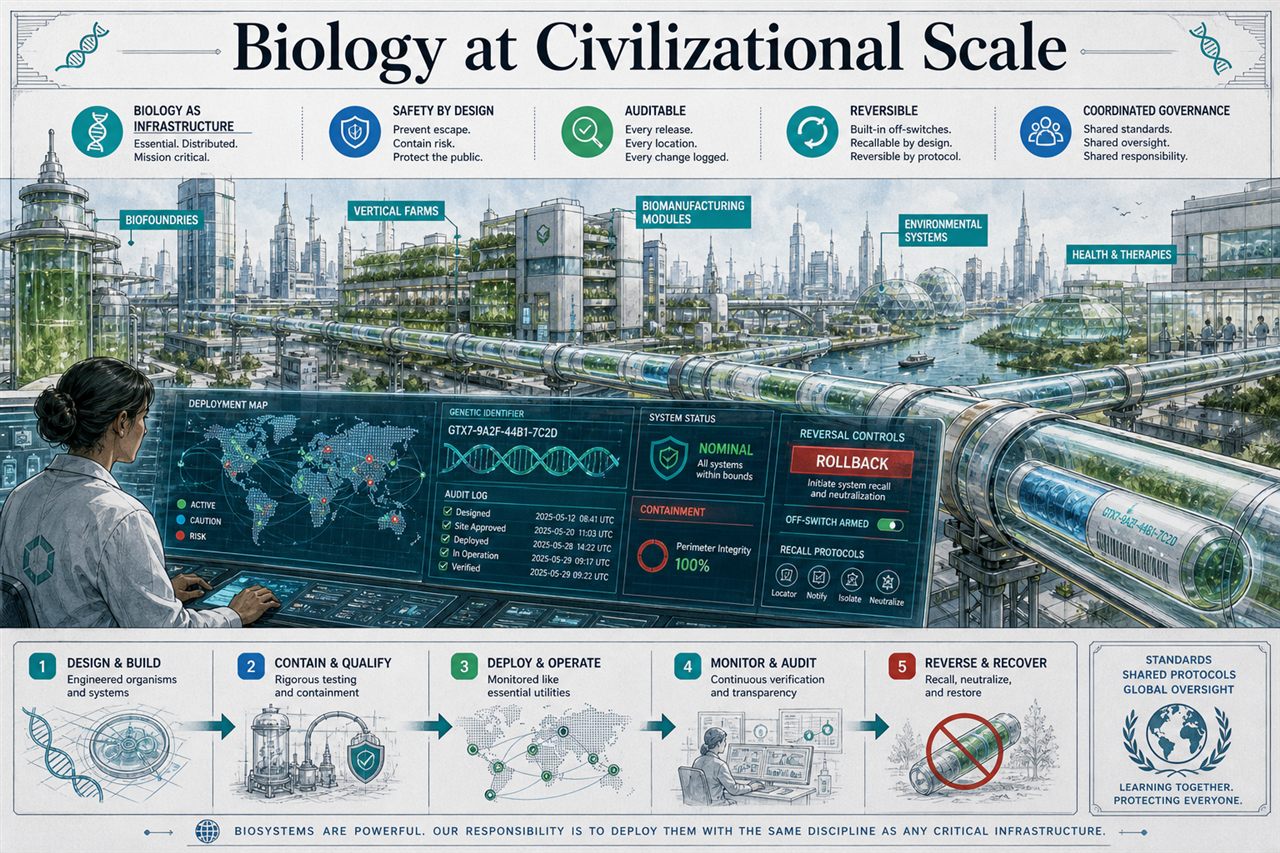
Engineered biology at civilizational scale means treating organisms and biosynthetic systems as infrastructure across food, health, materials, and the environment, while keeping them auditable, reversible, and protected against uncontrolled evolution or ecological spillover. By 2026, CRISPR/Cas9 is widely used in research with expanding therapeutic and agricultural applications, and highly specified lab workflows exist (for example, electroporation delivery and iPSC editing), but these do not yet translate into population-scale deployment control. The Human Genome Project remains the closest governance analogue, showing that standards, shared infrastructure, and multi-institution coordination are as critical as the toolchain.
Chapter 96. The Limits of Biological Engineering
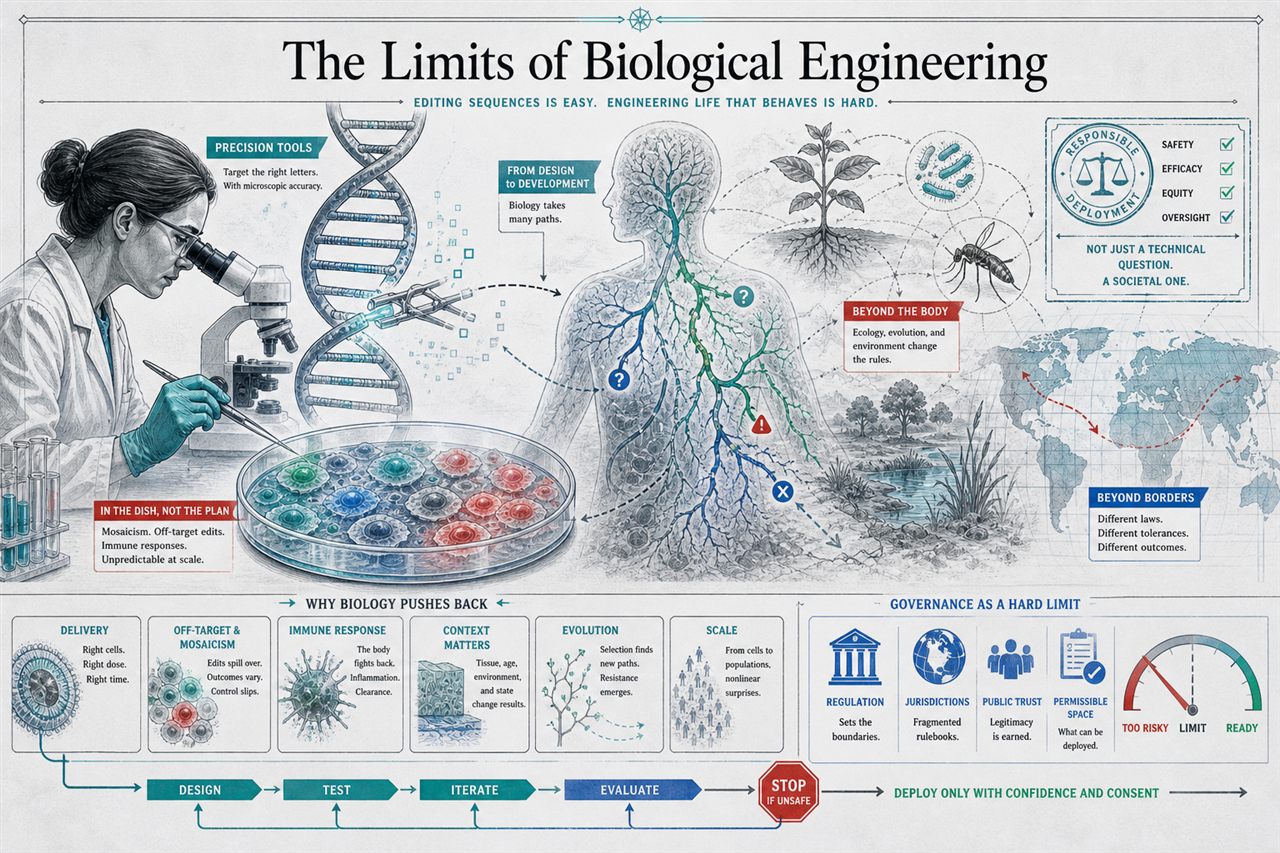
Engineering DNA is no longer the main frontier; the harder problem is making living systems behave predictably and remain stable, reversible, and governable across development, evolution, and real-world deployment in organisms, populations, and ecosystems. CRISPR/Cas9 is established, but delivery, specificity, mosaicism, and immunogenicity keep clinical use narrow and tissue- and indication-scoped, with skin often treated as a practical testbed. Large-scale synthetic genomics is feasible yet iteration-heavy, showing biology is not “compile-and-run.” Cancer genomics underscores that sequence knowledge rarely yields system-level control in heterogeneous, evolving cells. Governance and regulatory capacity across jurisdictions remains a first-order deployment constraint.